Kulhad, Kadak & Culture: The Rise of Rajwadi Chai in Gujarat

In Gujarat, chai is not just a drink—it is an emotion woven into daily life. From early morning tea breaks to late-night conversations at roadside stalls, chai connects people across ages and backgrounds. Among the many styles of tea enjoyed in the state, Rajwadi Chai is steadily gaining popularity, offering a rich and royal twist to the traditional cup. With its strong flavor, creamy texture, and cultural roots, Rajwadi chai is becoming an essential part of Gujarat’s evolving tea culture.
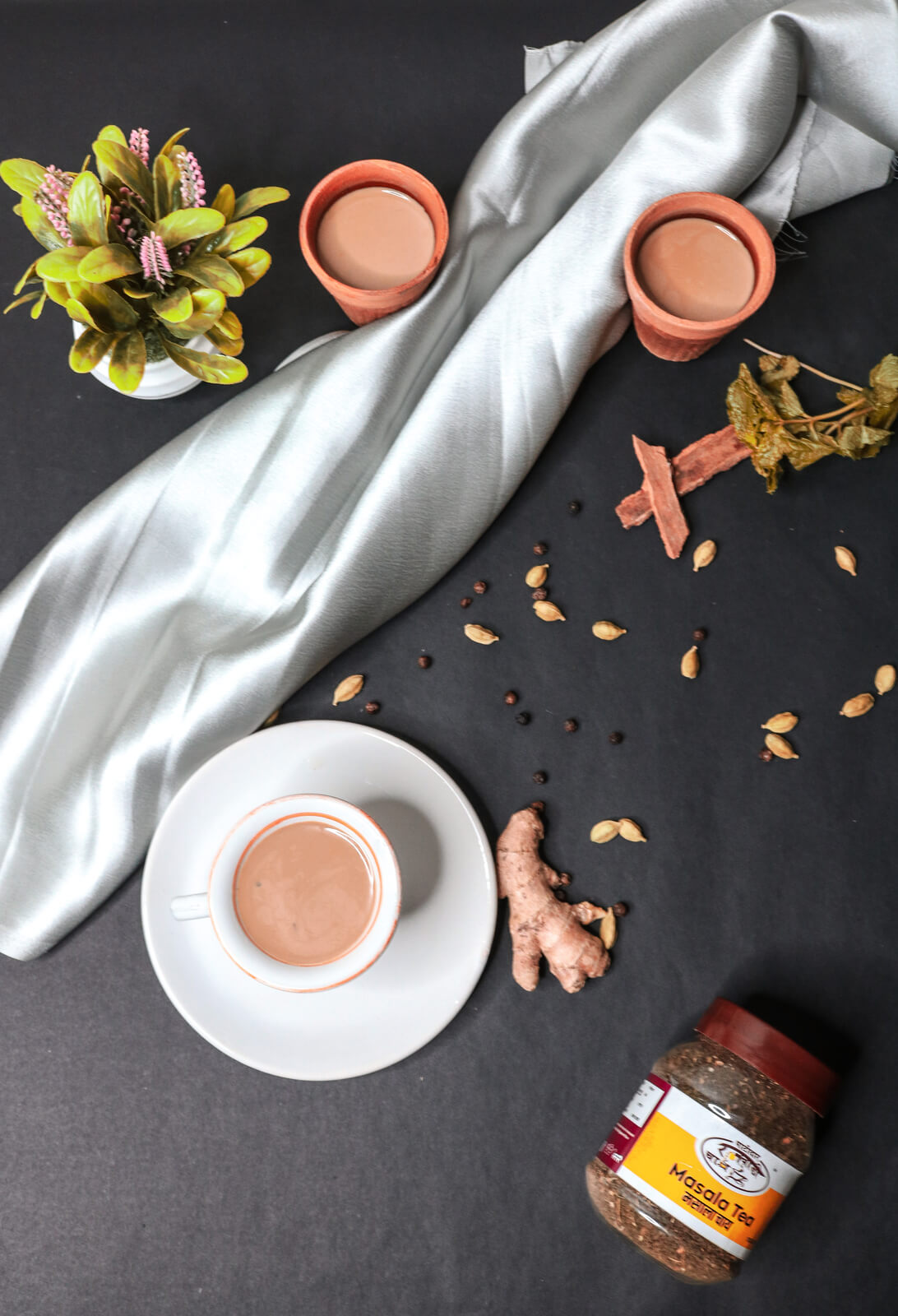
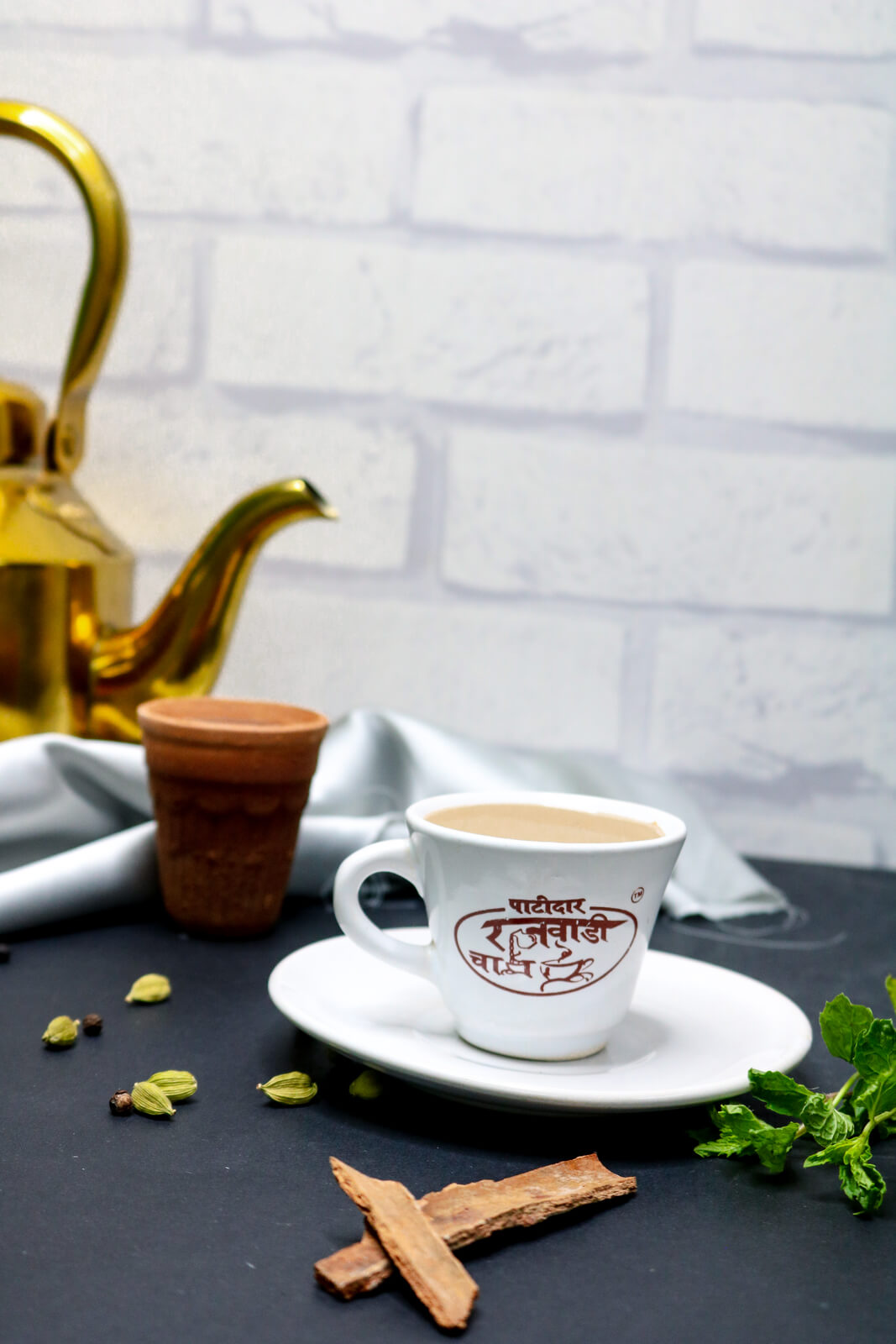
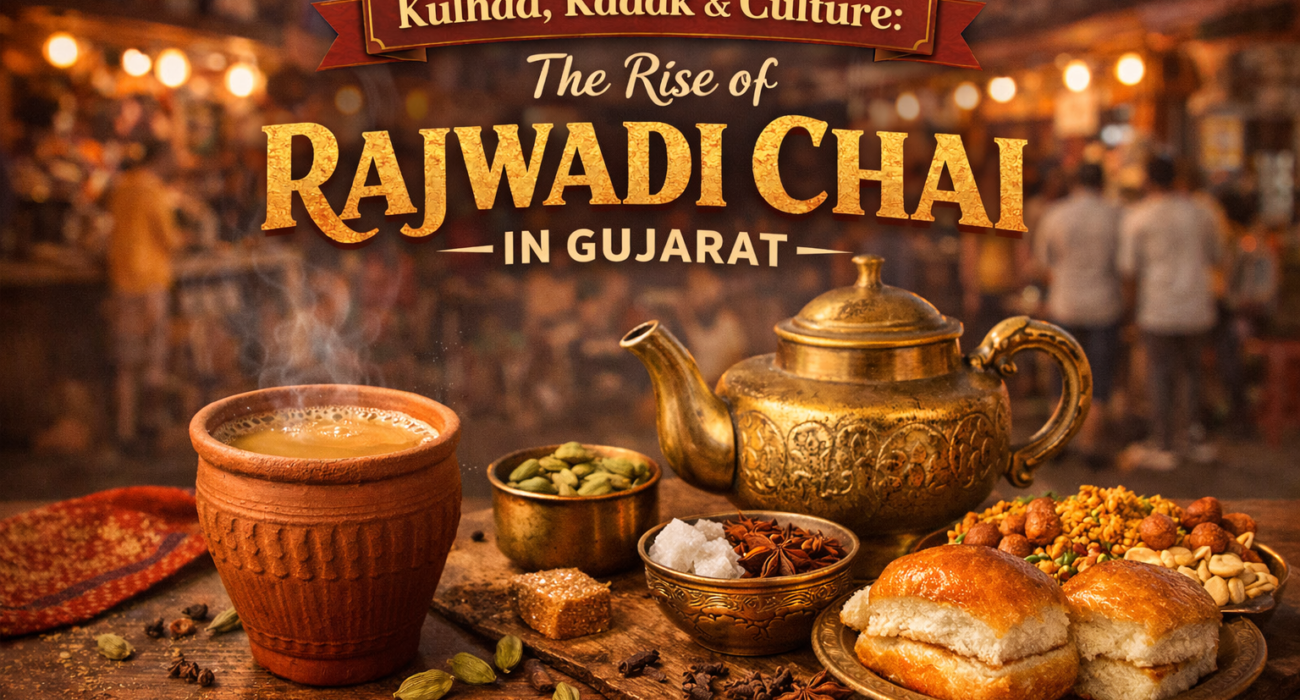
Rajwadi chai draws inspiration from royal Indian kitchens, particularly from regions known for slow-cooked, flavorful preparations. Unlike regular chai, which is often brewed quickly, Rajwadi chai is made with patience. Thick milk, strong tea leaves, and carefully selected spices are simmered together on a low flame to create a deep, kadak taste. Served in a kulhad, the chai carries an earthy aroma that enhances both the flavor and the experience, reminding people of traditional ways of enjoying tea.
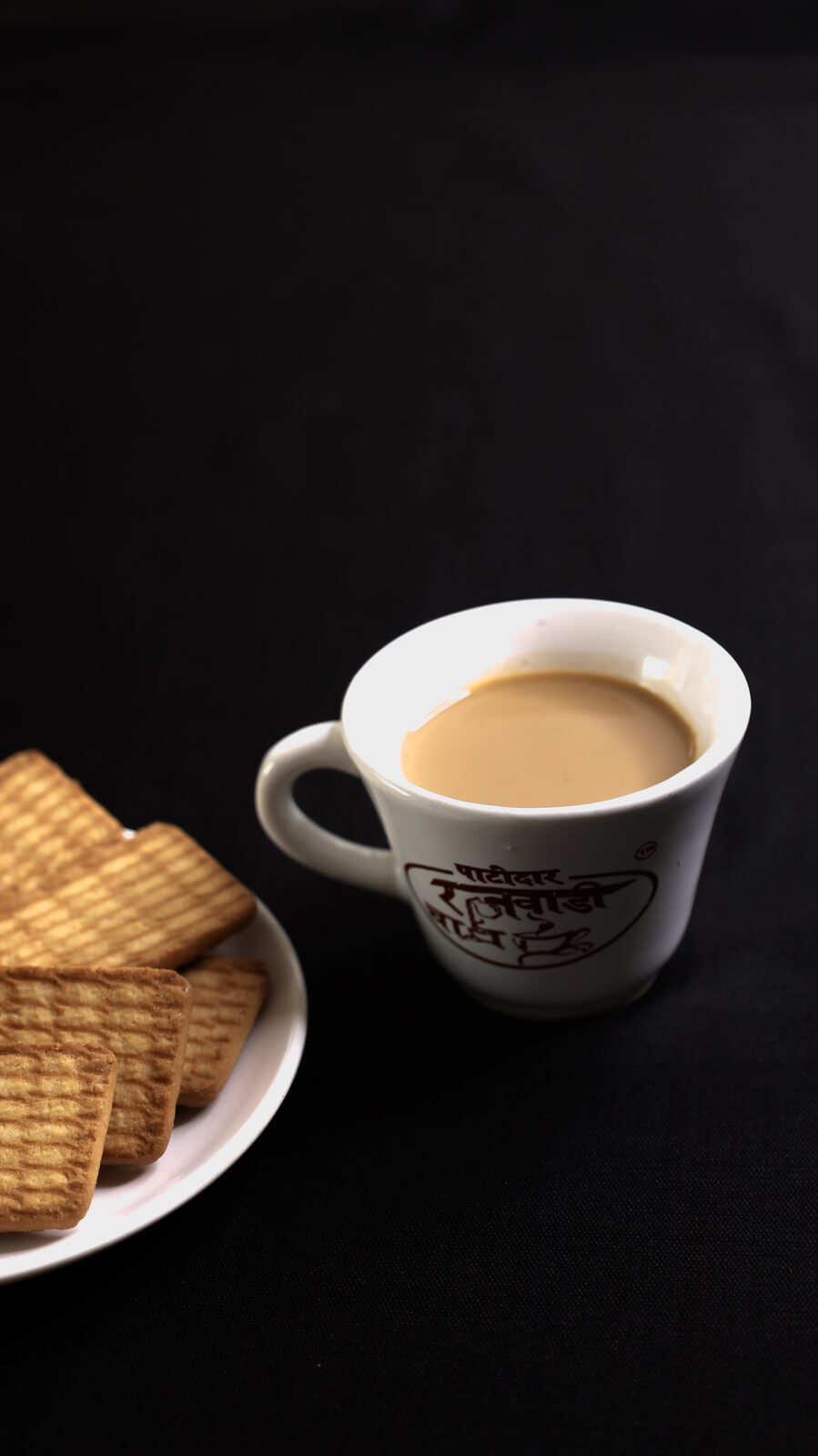
Gujarat’s love for bold yet balanced flavors makes it a perfect home for Rajwadi chai. The state’s cuisine is known for its subtle sweetness combined with spice, and Rajwadi chai fits beautifully into this palate. Slightly sweet, perfectly strong, and luxuriously creamy, it appeals to both hardcore chai lovers and casual tea drinkers. Paired with local snacks like khari biscuits, maska bun, or farsan, the chai feels indulgent yet familiar.
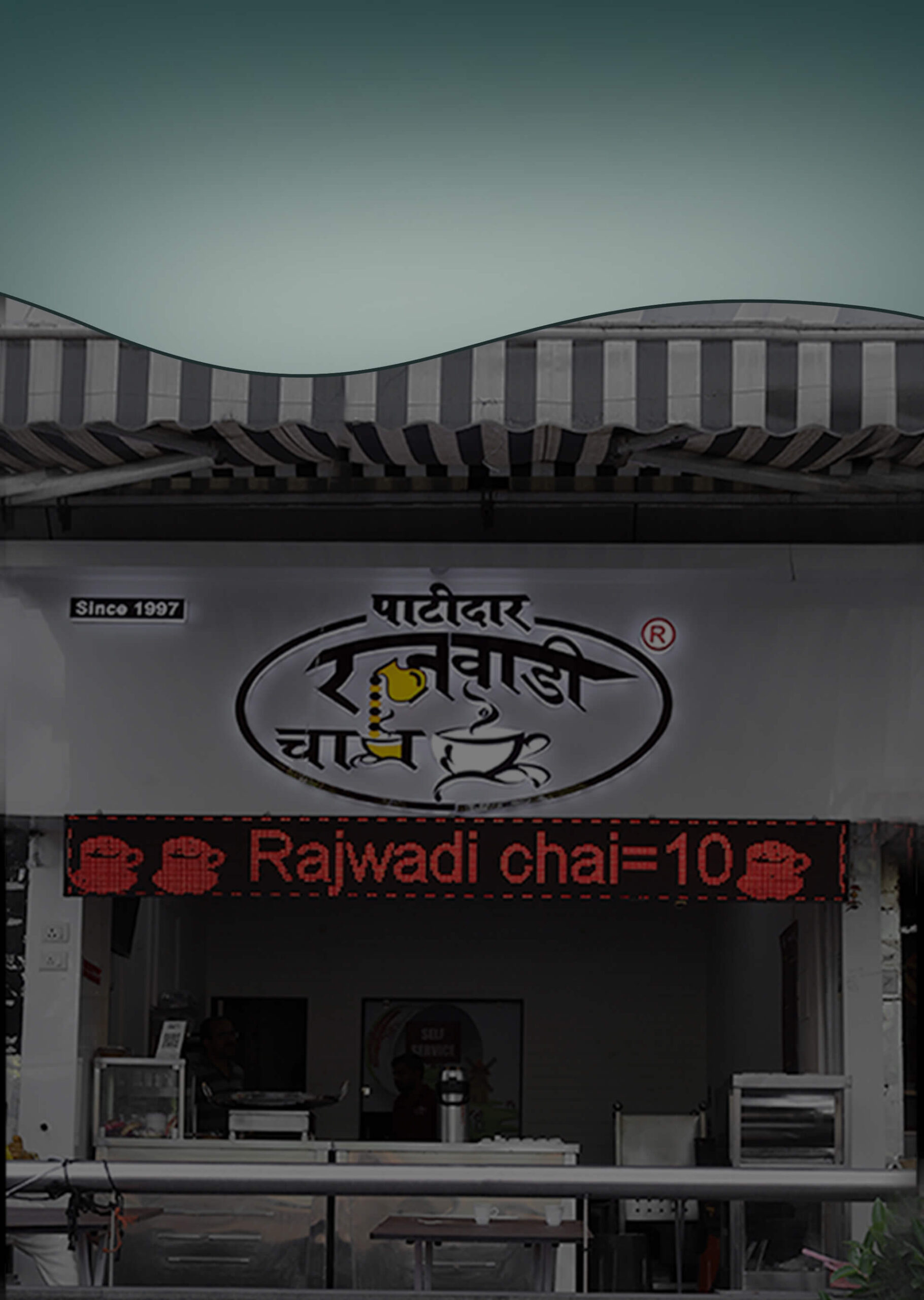
Across cities like Ahmedabad, Surat, Vadodara, and Rajkot, Rajwadi chai stalls are slowly becoming social hubs. In the evenings, these stalls come alive with people gathering after work, students catching up after college, and friends enjoying long conversations. The kulhad in hand becomes more than a cup—it becomes a symbol of comfort, connection, and shared moments. In a fast-moving world, Rajwadi chai encourages people to pause and enjoy the present.
One of the key reasons behind the rise of Rajwadi chai in Gujarat is its accessibility. Despite its royal taste and presentation, it remains affordable, usually priced between ₹20 and ₹40. This combination of luxury and simplicity makes it appealing to a wide audience. Additionally, the visual charm of kulhad chai has found its place on social media, attracting younger crowds who appreciate both tradition and aesthetics.
The growing popularity of Rajwadi chai also reflects a broader shift toward celebrating Indian traditions. As people move beyond global beverage trends, there is renewed pride in desi flavors that carry stories and heritage. Rajwadi chai represents this movement perfectly—rooted in culture, rich in taste, and enjoyed by all.
Kulhad, kadak, and culture come together beautifully in Rajwadi chai. In Gujarat, it is more than a passing trend; it is a revival of tradition served hot. One sip is enough to understand why Rajwadi chai is becoming a beloved part of the state’s tea culture.